Each Season’s Righteous Clothing Releases: What Awaits You Each Year
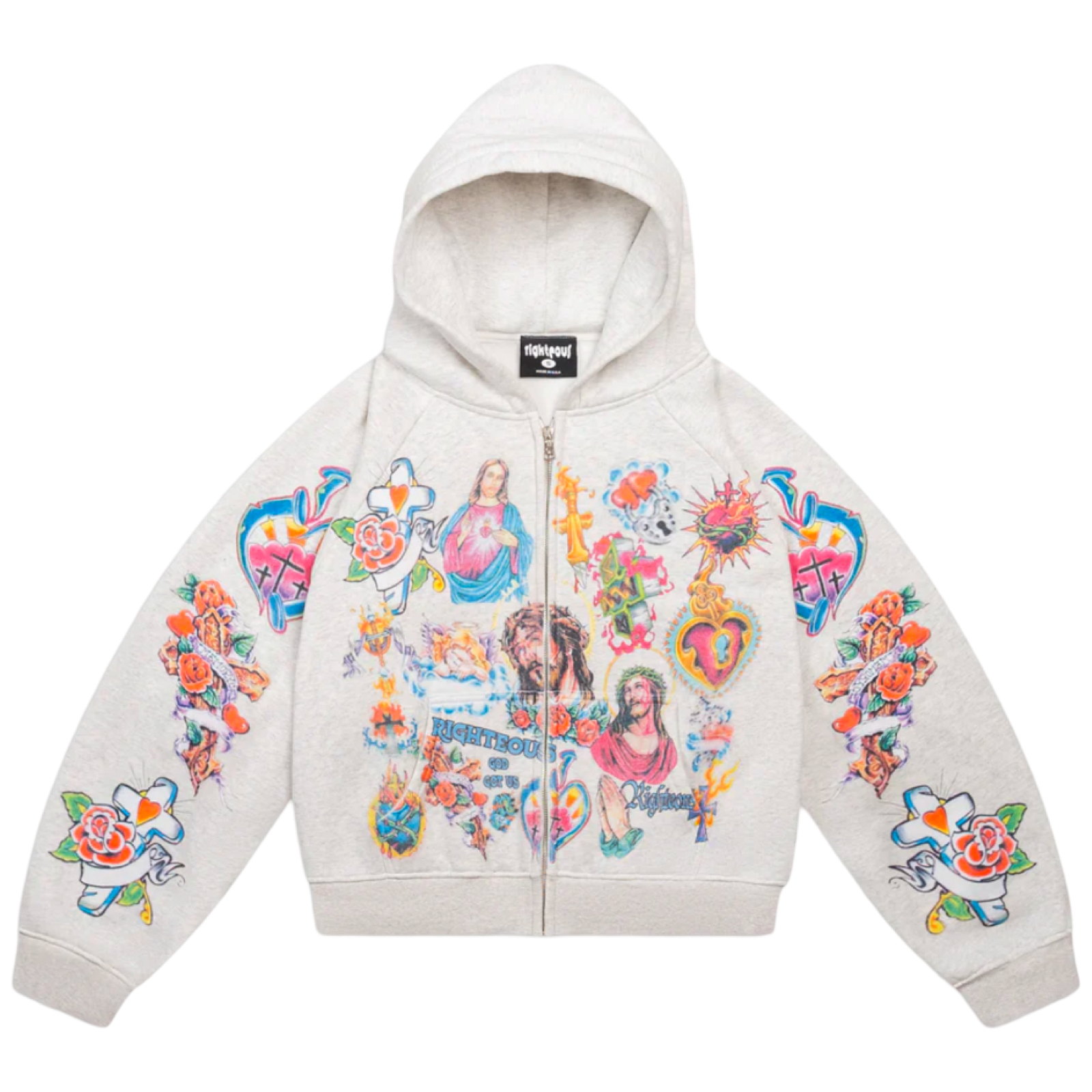
Over the past few seasons, anyone tracking Righteous has learned that the label doesn’t rely on the tired cycle fast fashion chains follow. There isn’t a relentless flood of look-alike basics hitting shelves every two weeks. Rather, We Are Righteous has constructed its image around purposeful seasonal releases that feel closer to happenings than ordinary restocks. If you’re new to the brand and searching “righteous review” or “we are righteous review” before committing to a purchase, understanding this drop rhythm is the single most useful thing you can learn. From how fast a righteous hoodie sells out to which sizes remain available, this dictates the whole experience.
Here’s what gets covered: what a typical year of Righteous releases looks like, why the brand sets things up this way, and what shoppers should actually expect when a new collection lands. Beyond that, this piece examines how the four seasonal windows differ from each other in product focus, material heft, and demand.
The Four-Drop Structure
Righteous clothing largely sticks to a four-season release structure, mirroring the calendar as opposed to arbitrary marketing windows. Put simply, this results in four clearly defined drops each year, with each collection anchored in a utility-driven reason instead of just a simple palette update. This isn’t unique in streetwear-influenced clothing, but Righteous applies it with more discipline than most independent brands pull off.
The spring lineup usually debut ahead of the rest, typically rolling out lighter-weight layering items and renewed hues of core silhouettes. Summer comes next with the most minimal, most simplified lineup of the year — fewer heavy-duty pieces, more airy materials. Since it brings back outer layers and heavier fleece pieces after a summer lull, fall typically ends up the biggest drop when measured by total pieces. Rounding off the year, the winter drop features the brand’s most technical and heavyweight offerings, among them the styles most tied to the righteous hoodie line.
More often https://righteousoutlet.com/t-shirts/ than not, every one of these four drop periods starts on a limited scale, with a “part two” drop following two to four weeks later, so long as demand makes it worth doing. That phased rollout is part of why the label has built a reputation — for better or worse, depending on perspective — for moving product fast.
The Real Transformations From One Drop to the Next
Given that plenty of righteous clothing brand reviews on the web glosses over the true product differences, it’s worth being exact here instead of staying vague. Material heft is the most obvious variation. Warm-weather items run thinner, often in the 180-220 GSM zone for tees, while winter hoodies and fleece garments climb well above 350 GSM to stand up in colder conditions. That amounts to a notable gap if you’re figuring out when to buy.
Although more subtly than material heft, color stories change too. While autumn and winter drops move toward muted earth tones and deeper neutrals, warm-weather lines lean into brighter, higher-contrast palettes. Still, the label reintroduces certain signature marks across several seasons for a sense of through-line, even though a design featured prominently on a spring-season t-shirt rarely reappears verbatim on a cold-weather hoodie, since design and logo positioning rotate each season.
Just as color and graphics shift, the number of silhouettes fluctuates too. Warm-season drops might offer only 8-10 essential styles, staying lean and deliberate. Autumn, by contrast, often broadens out to 20 or more styles once outerwear, layering pieces, and accessories are factored in. Rather than a push to simply overload the lineup with SKUs, this reflects genuine seasonal need—that’s no coincidence.
Why Righteous Steers Clear of Weekly Drops
Weekly or biweekly product releases are how a lot of newer streetwear brands try to keep shoppers coming back repeatedly. Righteous has deliberately avoided that pattern, and it’s one of the more consistent points raised in righteous review conversations across forums and comment sections. The reasoning seems to boil down to three things: production quality control, disciplined inventory management, and maintaining scarcity without resorting to gimmicks.
Manufacturing a righteous hoodie or any heavier fleece garment at a consistent quality level requires time. Whether it’s sourcing of materials, the quality of stitching, or print durability, cutting corners somewhere is nearly always what happens when the production pace is accelerated to hit a weekly schedule. The brand can put more attention into every single item before it ships by focusing resources into four major windows a year.
A practical inventory argument also comes into play. Versus fifty smaller releases, four large drops are simpler to forecast around. It lowers the odds of surplus inventory sitting unsold and fading in appeal, and it cuts down the chance of producing too little and leaving devoted buyers with nothing for weeks at a time. It’s debatable whether this fully works—items still sell out quickly, sometimes within days—but the strategy is coherent.
How Fast Do Righteous Drops Actually Sell Out
Most shoppers actually want this question addressed, and it changes depending on the season—this is the one that matters most. Cold-weather releases, especially those featuring the flagship righteous hoodie styles, tend to sell through quickest, often seeing core sizes (M, L) get claimed within the first 48-72 hours. At a more moderate pace, summer drops sometimes remain in stock for two to three weeks before key items disappear.
A season’s lineup is prolonged by restocks, although the entire size spread are hardly ever reinstated. It’s typical for a re-stock event to reinstate just a couple of sizes that sold through soonest, as opposed to refilling the entire original assortment. This is worth knowing if you’ve got your eye on one exact size — banking on a restock is a bet, not a sure thing.
Earliest access generally goes to those signed up for emails and app alerts, occasionally just hours ahead, not days. That early jump matters more than people expect, particularly for restricted color releases that may amount to only roughly a couple hundred pieces globally.
The Four Seasonal Drops, Side by Side
Here’s a quick breakdown of how the four drop periods tend to differ from one another, drawn from trends seen across recent release cycles.
| Season | Typical Style Count | Fabric Weight Focus | Rate of Sellout | Chance of Replenishment |
|---|---|---|---|---|
| The Spring Drop | 12-15 designs | Transitional, mid-heft | 1-2 weeks’ time | Fairly average |
| The Summer Drop | 8-10 pieces | Lightweight (180-220 GSM) | 2-3 weeks’ time | Low |
| Autumn | 20+ designs | Medium-to-heavy | 1-2 weeks | Well above average |
| Winter | 14-18 styles | Heavyweight (350+ GSM) | 48-72 hours’ time | Strong, though sizes run limited |
This rhythm has stayed fairly consistent across the last few years, which is why longtime customers of the righteous clothing brand often time their purchases accordingly rather than jumping in last-minute. Given that the winter drop sells out soonest, for instance, shifts how fast a shopper needs to move when the notification for that drop lands.
What to Expect Going Into 2026
Glancing at the 2026 calendar, that same four-drop framework seems to be sticking, with nothing publicly suggesting that We Are Righteous is moving to a faster or slower release cadence. What’s changed a bit is the pre-drop messaging — more detailed previews in the run-up to a release, letting customers know more of what to expect rather than an unannounced surprise.
Plan for the winter 2026 collection to continue to lean hardest into hoodies of the four, continuing the brand’s focus on that category as its hallmark item. Shoppers on the hunt for a righteous hoodie specifically should consider the winter drop the year’s must-watch release, both for range and for the denser fabric weights made for real winter conditions rather than layering for looks alone.
Spring and fall are still the best starting point for those just discovering the brand, since style counts are higher and the initial sellout pressure is somewhat less intense than winter’s narrow 48-72 hour window. Summer, on the other hand, still acts as a kind of breather — leaner, more contained, and calmer than the remaining three drops.
Wrapping Up: How to Buy Smart
The rhythm of releases gives a useful signal to buyers gauging whether Righteous clothing delivers on its standing. It reflects a brand prioritizing product integrity over constant novelty, even if that means occasional scarcity frustrates buyers who miss a window. The three most useful insights from studying this cycle are opting into advance notice, knowing which season matches the piece you’re after, and being prompt during the winter release.
Patience and planning, rather than spontaneous shopping, is what this release cadence in the end favors. With four considered drops a year, every one built around a distinct purpose, the brand’s apparel gains a sense of purposefulness that’s increasingly scarce in a market saturated with endless fast-turnover collections.